Last start times: booking the final hour without staying late
The 7:45 colour that ends at 10. How to set a last start time for each service, rental and party, and keep the clean-up inside the working day.
Sep 8, 2026 · 5 min read
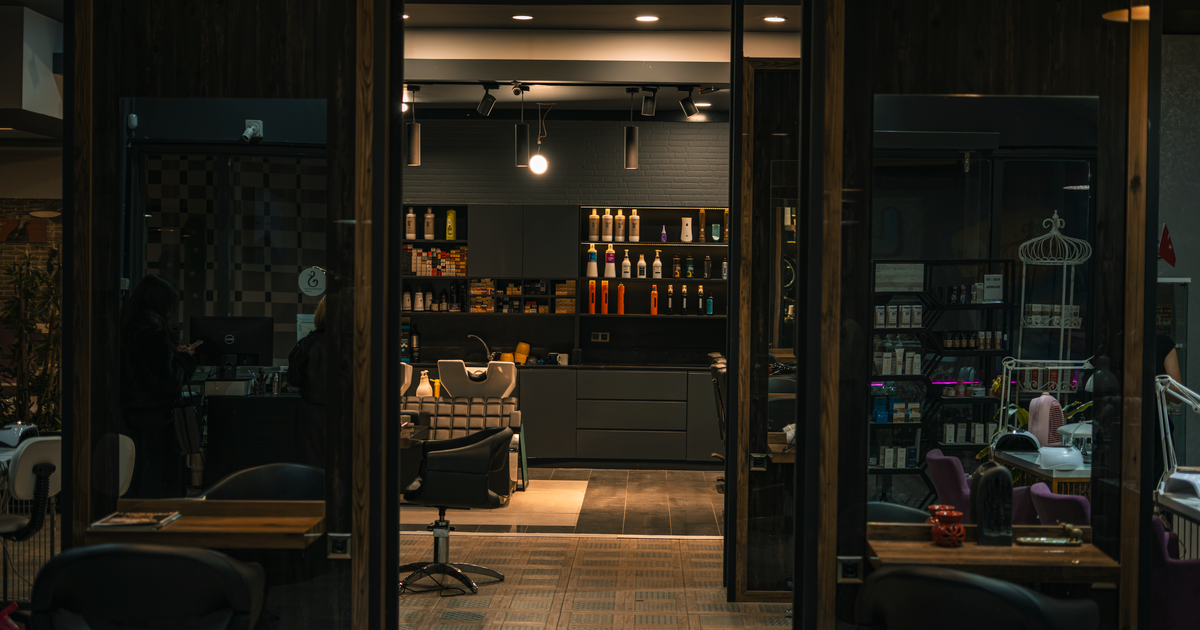
The salon closes at 8. At 7:40 on a Tuesday, someone books the last slot online: a full head of highlights with a toner. It's a two-and-a-half-hour service. The stylist rinses at 9:50, blow-dries until 10:15 and sweeps until 10:30. The client felt the hurry the whole time, and the stylist has already decided it won't happen again, one way or another.
Nobody did anything wrong. The booking page just knew one thing, that you close at 8, and nothing about how long each service takes to finish. September is a good time to fix it, as evenings fill up again after the summer.
Closing time isn't a rule for each booking
"We close at 8" says when the door locks. It says nothing about when a 30-minute cut can start, or a three-hour colour, or a 90-minute party. Each one has its own last start, and you find it by working backwards:
Last start = closing time − the service − clean-up − a little slack.
The slack matters more than it looks. By the evening, most appointment books are running ten or fifteen minutes behind. A service that fits to the minute on paper ends late in real life.
A salon's last starts, worked out
For a salon closing at 8 PM, with 10 to 15 minutes to clean a station:
| Service | Takes | Last start |
|---|---|---|
| Men's cut | 30 min | 7:15 |
| Cut and blow-dry | 60 min | 6:45 |
| Single-process colour | 1 h 35 | 6:00 |
| Highlights, toner, cut | 3 h | 4:30 |
The colour shows why the slack matters. Thirty minutes to apply, 35 to process, 30 to rinse and style: 95 minutes, plus 15 to clean up, means 6:10 at the latest. Round it to 6:00, because if the 5:15 cut ran over, the colour starts late and everything behind it does too.
Do the same for a spa or a massage clinic. A 90-minute massage with 15 minutes to change the table and a five-minute buffer, in a clinic closing at 7, starts by 5:10. A nail studio's gel full set at 75 minutes, with 10 to clean, starts by 6:30 if you close at 8.
Rentals and parties that end at closing
A renter's booked hours are when they're in the room. But they set up before, take down after, and you put the room back after they leave. A community hall that "closes at 11" and rents until 11 has chairs stacked at 11:25, and the person locking up leaves at 11:45.
Three changes fix it:
- Their setup and teardown are part of their booking, and they pay for them. If they need 30 minutes to set up a birthday dinner, they book from 5:30, not 6.
- Your put-back time is held after every rental, and not charged. It's yours: checking the room, wiping tables, resetting the chairs for tomorrow's class.
- The last rental ends early enough for both. If the building closes at 11, and you need 20 minutes after, the last rental ends at 10:40.
Put it in the agreement in plain words:
Your booking includes your setup and teardown. The room must be empty, with tables folded and chairs stacked, by the end of your booked time. Time past it is charged at $25 for each 15 minutes or part of one.
Parties follow the same arithmetic, with more glitter. If the room is staffed until 6, a 90-minute party needs 30 minutes to clear, so it ends by 5:30 and starts by 4:00. If your host also sets up the room for 30 minutes before, they're there from 3:30 to 6:00 for one party: plan their shift around the last start, not the last party's end.
The last party of a Saturday is also the one most likely to run over: the cake is late, a parent is still collecting presents, the birthday child wants one more turn on the trampoline. A last start 15 minutes earlier than the arithmetic says is cheap insurance.
Clean-up time is paid time
The commonest mistake is treating the clean-up as something that happens after hours, for free. It isn't free. Say three stylists stay 20 minutes past closing, five nights a week. That's five hours of staff time a week, or about 260 hours a year. At $20 an hour, it's over $5,000 a year, plus a team that resents the last booking of the day.
There are two honest ways to handle it:
- Clean-up inside the day. The last start leaves room for it, and everyone leaves at closing.
- Clean-up after closing, paid and planned. The last booking ends at 8, the shift ends at 8:20, and that's in the schedule and the pay.
Either works. What doesn't work is a last start nobody decided on, set by whatever the booking page happened to offer.
Telling clients, kindly
Clients don't mind a last start; they mind a surprise. Say it where they book, and give the reason:
Our last colour appointment starts at 6, so your stylist can give it the time it deserves. Cuts are available until 7:15.
And at the desk, when someone asks for the 7 PM highlight:
"Our last highlight starts at 4:30, so nobody's rushing your toner. I've got Thursday at 4:30, or Saturday morning at 9. Which is better?"
Then offer the two times, not a question about whether they'd like another time. Most people pick one. If your hours for the whole week need a look too, matching your hours goes through them day by day.
Where Caletan fits
In Caletan, a service booked online has its own latest start, and setting-up and clearing-up minutes held around every appointment. A colour's processing time frees the stylist for a cut while the client keeps their chair. A party package has its own first and last start, a room for rent holds its put-back time after every rental, and nothing booked online runs past the location's closing. The guide to time around bookings shows each one.