Private lessons at a dance or gymnastics studio
Solos, choreography and skill privates: who teaches them, fitting them around classes, pricing a solo for the whole season, and surviving the spring crunch.
Sep 1, 2026 · 5 min read
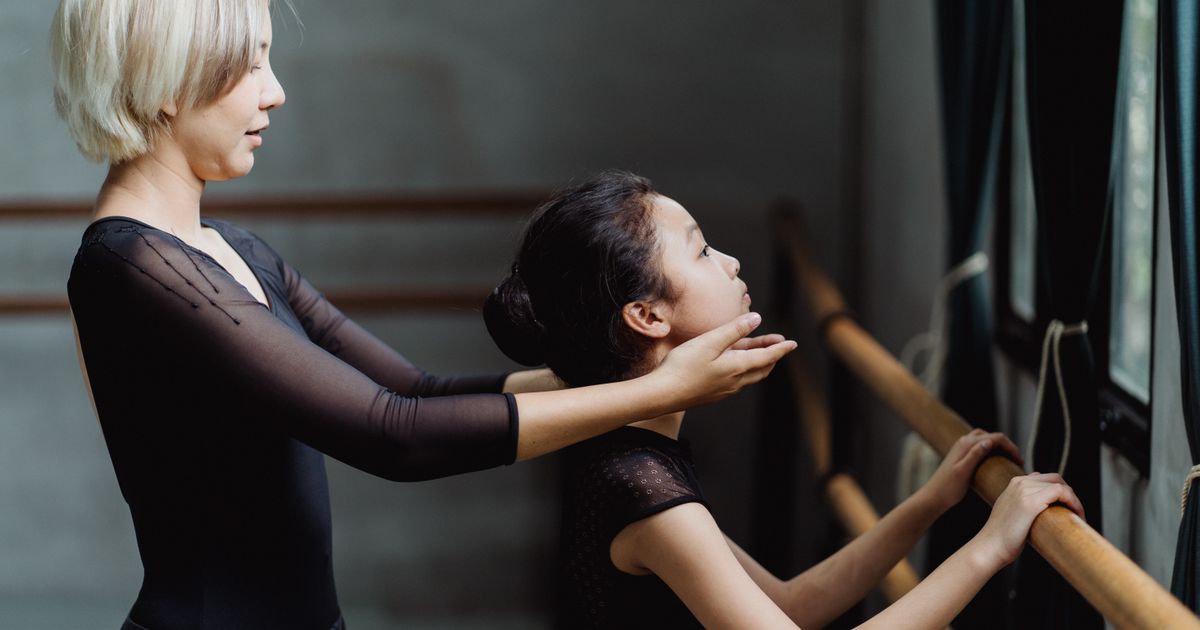
The first week of September, the requests start. A parent wants a solo for their daughter this year. A teen on the competitive team wants to finally land their back walkover, and asks if Coach could do Saturday mornings. Two teachers are already booking privates by text, in whichever studio looks empty, and nobody has told the front desk.
Privates are good for everyone: the student gets real attention, the teacher earns more per hour, and the studio fills rooms that would sit dark. They only go wrong when they're run on the side of the class schedule instead of on the same calendar.
Decide who teaches them, and on what terms
Before the first private is booked, settle three things with your teachers. Put them in writing; a one-page sheet is enough.
- Who may teach privates. Usually senior teachers and coaches, plus anyone the owner approves. A first-year assistant teaching solos is how a parent ends up unhappy at the first competition.
- How the money splits. A common arrangement: the studio sets the price and takes payment, and the teacher gets a set share, often 50 to 70%, or a fixed hourly rate. The studio's share pays for the room, the music system, the booking and chasing.
- Studio students go through the studio. Teachers don't arrange privates with studio families directly, at home or in a rented space. Say it kindly, and check what your province or state allows before you write anything that reads like a non-compete.
Fit privates into the gaps, not over the classes
A private needs two things: the teacher, and a room or apparatus. Both are already taken most evenings by classes. The privates that work are the ones that fit around them.
Map the week and mark each teacher's private hours, where both they and a room are free:
- Before classes start, 3:30 to 4:30 on weekdays, often the easiest hour, for homeschoolers and older students with early dismissals.
- Between a teacher's classes, if there's a 45-minute gap and a small room is free.
- Weekend mornings, before Saturday classes, or Sunday when the building is otherwise quiet.
Never offer the 15 minutes before a teacher's own class. They need it to set up, and the private always runs over.
In a gym, the room is the apparatus. A beam private at 5 PM is only possible if the rec class isn't using the beams then. Book the area, not just the coach, or the private ends up working around eight-year-olds on the low beam.
Pricing a solo for the whole season
Parents say yes to a solo in September and get the full cost in March. Give them the whole picture up front. Say a studio charges $80 an hour for choreography and $45 for a 30-minute cleaning private:
| Part | Price |
|---|---|
| Choreography, 6 hours | $480 |
| Cleaning, 30 min a week for 20 weeks | $900 |
| Music editing | $40 |
| Season total, before costume and entries | $1,420 |
Costume and competition entry fees come on top, and they vary by competition, so list them as their own lines with a range rather than guessing.
Then send it as a solo agreement, signed before choreography starts:
Solo, the coming season
Choreography with [teacher]: 6 hours in September and October, $480, paid before the first session.
Weekly cleaning: Thursdays at 4:15 from November to April, $45 each, billed monthly.
Cancelling: a private cancelled with less than 24 hours' notice is charged in full. If the teacher cancels, it's rebooked at no charge.
Costume and competition entries are billed separately when we know them.
The agreement does two jobs. It ends the "I didn't know it would cost that much" conversation, and it books the weekly cleaning time in September, before everyone else wants Thursdays.
Skill privates: short, specific, and repeatable
Skill privates in a gym or a studio are different from solos: 30 minutes on one thing, a kip, a back handspring, a turn sequence. They work best with a clear goal, written down at the first session, and a set number of sessions, such as four. "Four 30-minute privates to work on a back handspring on the floor" sells better than an open-ended "privates", and it ends with a check-in instead of fading out.
Price them per session or as a pack: $45 each, or four for $160. A pack that's used up is a natural point to talk about what's next.
The competition-season crunch
From January, every solo dancer suddenly needs two extra privates a week, and the three weeks before the first competition are chaos. Plan for it in September:
- A choreography deadline. Every solo choreographed by mid-December. After that, the private time is for cleaning, not new steps.
- Book the standing weekly privates now, for the whole season. A parent who has Thursdays at 4:15 until April doesn't need to fight for it in February.
- A cap per teacher. Decide how many private hours a week each teacher can carry on top of classes, and stick to it. A teacher doing six privates a night in March is the one who quits in May.
- A short extra-private window in the two weeks before each competition, offered to everyone at once, first come first served, so it isn't whoever texts the teacher at midnight.
Where Caletan fits
In Caletan, a private lesson is a service booked into each teacher's own hours, and it's never offered when that teacher is teaching a class or a class holds the room. Weekly privates can be booked to repeat until a date, with any that clash listed rather than booked. For dance studios shows how it sits beside classes and recitals, and services and staff shows how to set the hours.