Renters after hours: keys, codes and locking up
An evening renter shouldn't need you there. Door codes, keys, the alarm, a closing checklist to copy, and who they call when something breaks.
Aug 4, 2026 · 5 min read
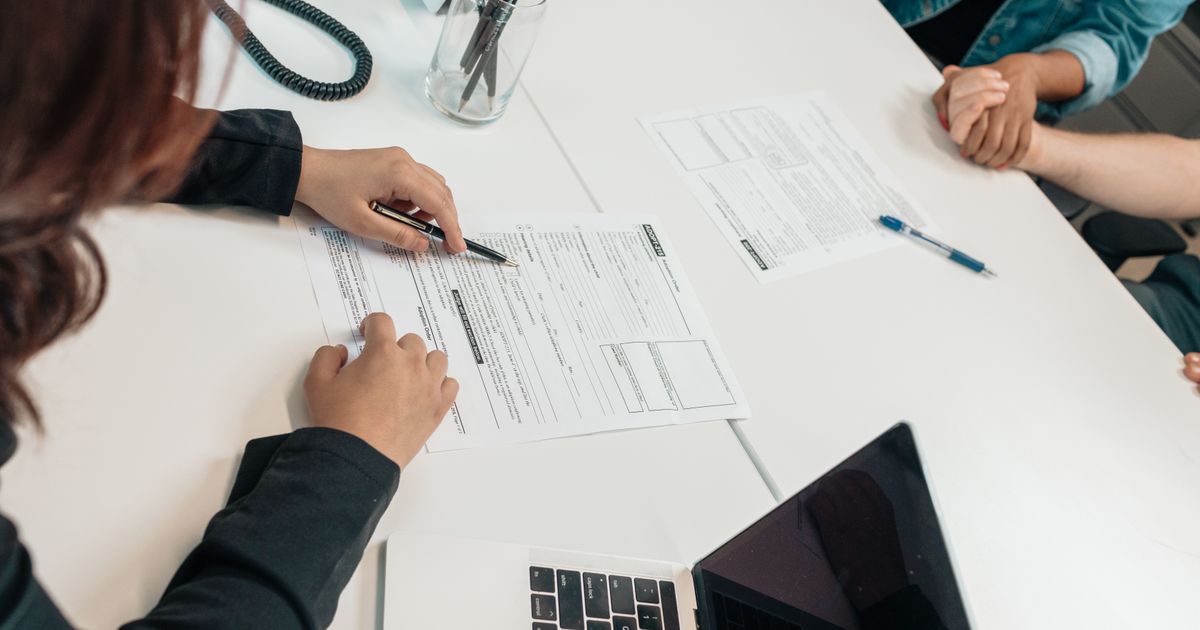
A choir rents your studio on Tuesdays from 7 to 9:30 PM. Your last class ends at 7. So every Tuesday you, or someone you pay, sits at the front desk for two and a half hours, then sweeps, sets the alarm and drives home at 10:15.
At $40 an hour, the choir pays you $100 a week. A staff member waiting for them costs $20 an hour for three and a quarter hours: $65, before you count that it's the same person who opens on Wednesday. The rental is barely worth it, and it's only worth it at all because the room would otherwise sit empty.
A renter who can let themselves in, use the room, and lock up properly turns that $100 into nearly $100. It takes some setting up, once.
Who gets to be on their own
Not every renter, and not on their first night.
A fair rule: the first rental is staffed. Someone shows them the room, the lights, the washrooms, the alarm and the door. After that, a renter can be on their own when:
- they've rented at least once or twice without trouble,
- one named adult is responsible, and that's the person who gets the code or key,
- their agreement and their insurance certificate are on file, if you ask for one.
A one-off birthday party is rarely a candidate. A weekly choir, a club or a teacher who rents every Sunday usually is.
Getting in: codes, lockboxes or keys
From best to least good, for most buildings:
A keypad or smart lock with a code for each renter. Each renter gets their own code, and the better locks let a code work only during their hours. When a renter stops renting, delete their code. You also get a record of who came in when, which settles most arguments before they start.
A lockbox with a key in it. Cheap and simple. Change its code every month or two, and whenever a renter leaves, because a code that's been shared for a year has been shared with more people than you know.
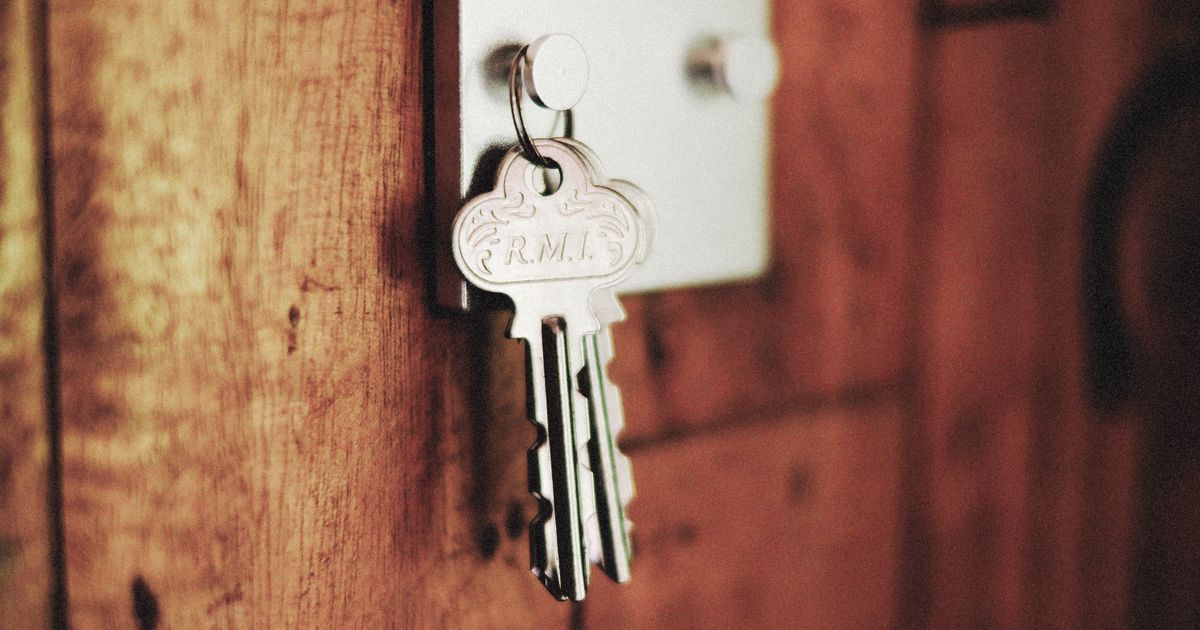
A key to pick up and return. Workable for one or two regular renters. Keep a key register (who has which key, since when), and ask for the key back at the end of the season, not "whenever." A lost key to a building with children in it means changing the locks.
Whatever you choose, never hide a key on the property or use the same code as your staff. When something goes missing, you need to know whose code opened the door.
The alarm
Most false alarms come from renters, and many cities charge for false alarms once you've had a few. Check with your alarm company and your municipality what yours does.
- Give the renter their own user code if your system has them, so the log shows who set it.
- Show them once, in person. Where the panel is, how long they have to get out, and what it sounds like when they get it wrong.
- Write the steps beside the panel, in large print: "Press [code], then Away. You have 60 seconds. Go out the front door and pull it shut until it clicks."
- Tell the monitoring company who's allowed to be in the building on which evenings, so a 9:45 PM call is answered by the right person.
The closing checklist, to copy
Laminate it and put it by the door they leave through. Keep it short enough to follow while carrying a guitar case.
Before you leave, please:
- Everyone from your group is out of the building. Check the washrooms.
- Chairs and tables are stacked where you found them. Floor clear of food and drinks.
- Garbage bagged and in the bin by the back door.
- Music, projector and any equipment you used switched off and put away.
- Windows closed. Thermostat back to [temperature].
- Washroom and room lights off. Hallway light stays on.
- Back and side doors closed and locked. Push each one to check.
- Set the alarm: [code], then Away. Out the front door within 60 seconds.
- Pull the front door shut until it clicks, and try the handle.
- Anything broken, spilled or missing? Text [name] at [phone] tonight, even if it seems small.
The last line matters most. You'd rather hear "we cracked a mirror tile" at 9:50 PM from the renter than find it at 8:30 AM with a Level 1 class walking in.
When something goes wrong
Renters need one page that tells them who to call, in the right order, on the inside of the door or the back of the agreement:
- Fire, injury or anyone in danger: 911 first, always.
- Something wrong with the building (no heat, a flooding toilet, the power out, the door won't lock): [your on-call name and number]. Say plainly whether you want a call or a text, and until what time.
- Locked out, or the alarm won't set: the same number. Don't leave the building unlocked "just this once."
- A small problem that can wait: a text tonight, and you'll deal with it in the morning.
Show them the first aid kit and, if you have one, the defibrillator on the first night. Ask that any injury, however small, be written down and sent to you the same evening. Your insurer will want to know, and the rules on what to record and how long to keep it differ by province and state, so ask your insurer what they need.
The morning after
Whoever opens the next day does a two-minute check of the room: lights, floor, chairs, garbage, doors. If anything's off, they take a photo and tell you before the first class. The first time a renter leaves the room badly, a friendly note with the photo usually fixes it for good. The second time, they go back to staffed rentals, and pay for the staff.
If your rental runs late or the next class needs the room early, the setup and teardown times in the booking are what you point to.
Where Caletan fits
In Caletan, the email a renter gets when their room is booked can be reworded, so the way in, the closing checklist and the number to call go out with every booking, in your words. The rental sits on the same calendar as your classes, setup and teardown included, so your opening staff can see who was in the room last night. The automatic emails guide shows how to change it, and room rentals shows the rest.