Make-up classes: a policy that doesn't bankrupt you
Unlimited make-ups quietly eat your spots and your margin. What they really cost, the four policies that work, and the words for the family who objects.
Aug 11, 2026 · 5 min read
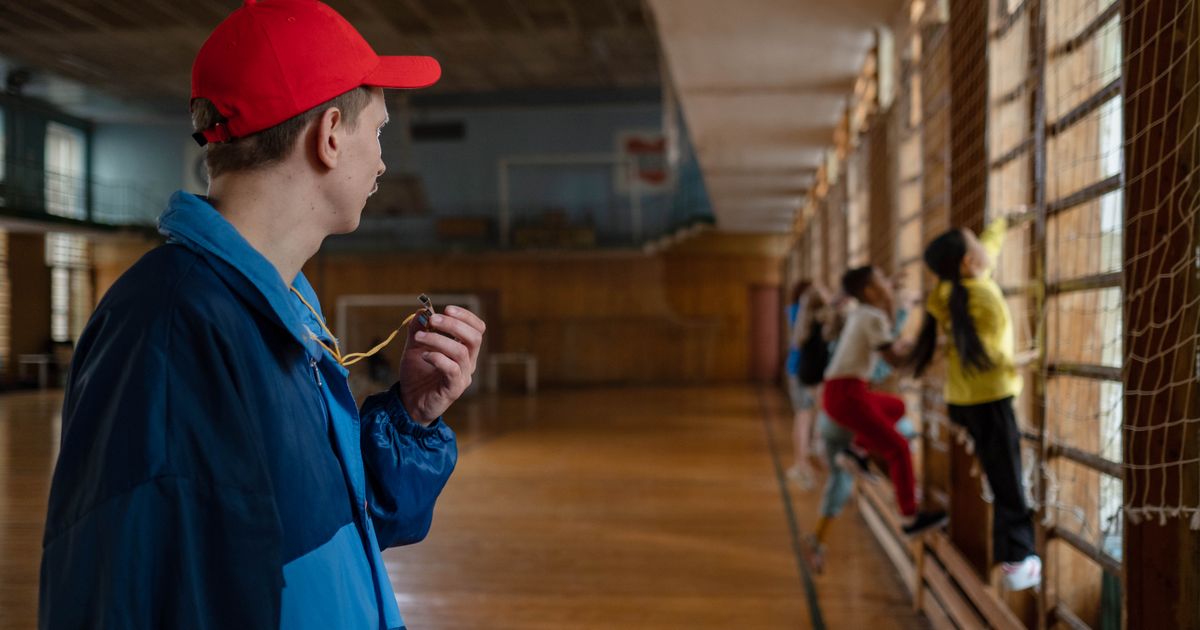
Make-up classes start as a kindness. A parent misses a week, you offer a catch-up, word gets round, and two years later your Thursday class has eleven enrolled swimmers and three visitors, while the families who never miss are paying for the ones who do.
Before you write next season's policy, it's worth putting a number on what the current one costs.
What it really costs you
Spots you can't sell. Say a swim school runs 40 classes a week with six spots each, and keeps one free in every class for make-ups. That's 40 swimmers it can't enroll. At $200 a session, it's $8,000 a session it never sees, and the waitlist it's turning away is made of families who'd have paid for those spots.
The class itself. Twelve students with three visitors is fifteen, and three of them don't know the routine, the warm-up or the teacher. In a gymnastics or martial arts class, that's a supervision question as well as a teaching one.
The admin. Booking, tracking, chasing and arguing about make-ups is a real job. Nobody costs it, and it lands on whoever has the least time.
Fairness. The family who comes every week pays the same as the family who comes two weeks in three and makes up the rest. One of them is paying for the other.
The four policies that work
Unlimited make-ups. Generous, popular, and fine for a small business where nothing is full and the owner knows everyone. It breaks the moment classes fill.
A set number a term. Two is common. It's easy to explain, easy to run, and honest: you're pricing in a known amount of absence. For most class businesses, this is the right answer.
A make-up week. No individual catch-ups. Instead, one week in the term has extra sessions anyone who missed can come to. It keeps your normal classes untouched and puts all the admin in one week. It suits swim and music schools with short terms especially well.
No make-ups, and a lower price. You charge for a spot, not for attendance, which is how most gyms, schools and subscriptions work. It's the cleanest, and the hardest to sell. Some families will still dislike it.
A fifth, if you sell memberships: when a martial arts or fitness membership already lets a student come to any class at their level, make-ups mostly stop being a question. The student just comes on Thursday instead.
Rules that keep any policy workable
Same level, same kind of class. A missed Level 3 swim is made up in Level 3, not in whatever has room on Saturday.
Booked, not turned up. A make-up nobody booked is how a class goes over its spots.
Expiry dates. Within the term, or 30 to 45 days. Make-ups banked across years become a debt you can never pay off.
Don't judge reasons. You can't police whether a birthday party counts as a good reason to miss, and trying makes you the referee. That's an argument for a cap, not for conditions.
Never into a full class. This is the rule that protects all the others, and the one most often broken at the door on a Tuesday by a tired teacher being kind.
The policy is rarely the problem. The tracking is.
Most businesses with a make-up problem have a perfectly sensible policy. Two a term, same level, book ahead, expires at the end of term. Nobody disputes it. It fails anyway, because every part of it is enforced by memory.
The cap depends on whoever answers the email remembering this is the family's third. The expiry depends on nobody, because nothing says a make-up has lapsed. The full-class rule depends on a teacher at the door who doesn't know whether the class is full, and would rather not turn away a child already in their swimsuit.
That isn't a discipline problem. A rule that needs four people to remember four things will be broken, and the people breaking it are being kind. So ask of any policy: what enforces it when I'm not there?
- Write the number, not the intention. "Two a term" is a rule. "We're reasonable about make-ups" is a negotiation you'll have every week.
- Date it the moment it's given. "Use by October 30" is a date. "Make-ups expire" is an argument.
- Let both sides see the count. Most disputes about make-ups are disputes about the number, and they end when the family and the desk are looking at the same one.
- Decide spots before the door. A make-up booked into a class with a free spot is admin. One granted at the door is a decision made by the person least able to make it.
Changing a policy you already have
You can't take away unlimited make-ups mid-year without a fight. Do it at the start of a season.
Give a full term's notice, with the reason, plainly: the classes are full, and holding spots means turning families away.
Cap before you cancel. Going from unlimited to two is accepted far more easily than from unlimited to none. You can revisit it later.
Honour what's owed. Anyone with make-ups banked keeps them for one more term. It's cheap, and it removes the strongest objection.
Give something with it. The same email that caps make-ups can add a make-up week, or a credit for any class you cancel yourself. Give and take reads very differently from take.
A line for the policy itself:
Each student can make up two missed classes a term, booked ahead into a class at the same level with a free spot. Make-ups must be used within 45 days and can't be carried into the next term.
What to say to the family who objects
At the desk, or in reply to the email:
We keep a couple of spots free in each class for make-ups. Beyond that the classes are full, and adding more children means the students in that class get less of the teacher's attention. I'm happy to book your two for this term right now.
Most parents accept it at once, because it's plainly true, and because it's about their child's class rather than your costs. Ending on something you can do for them turns a refusal into a booking.
In Caletan, a student marked absent gets a make-up for another class, lasting as many days as you choose, up to the most they can hold at once, and families see theirs on their home page. You book each one into a session that still has a free spot, so a full class stays full. It's all in the make-ups guide, and how classes work is on class registration.