Teen assistants in younger classes: a program, not free help
Older students helping in younger classes: what they do and don't, how to train them, what they get in return, and what to tell parents.
Sep 15, 2026 · 5 min read
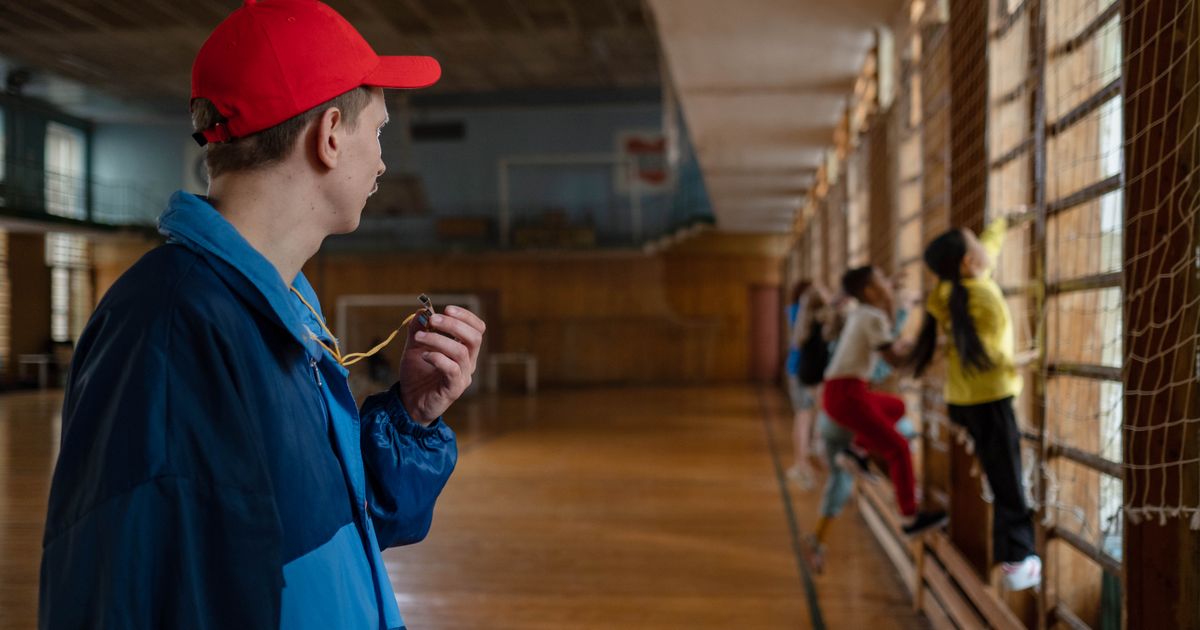
Every studio has one. The fourteen-year-old who's always early, who shows the little ones where to stand and finds the lost shoe before anyone asks. Sooner or later someone says, "Why don't you come help with the Saturday class?"
Six months later, the teen is tired and wondering what they're getting out of it, a parent is asking why "a kid" is teaching their kid, and the teacher has, in practice, one more child in the room to manage. The idea was good. It just needed to be a program instead of a favour.
September is the right time to set one up: the younger classes are new, the teens have their school timetables, and everyone's routine is still being decided.
What an assistant does, and doesn't
Write this down before anyone starts. It protects the teen as much as the children.
They do:
- set up and tidy equipment, mats, music and the room;
- lead the warm-up once they've been trained and watched;
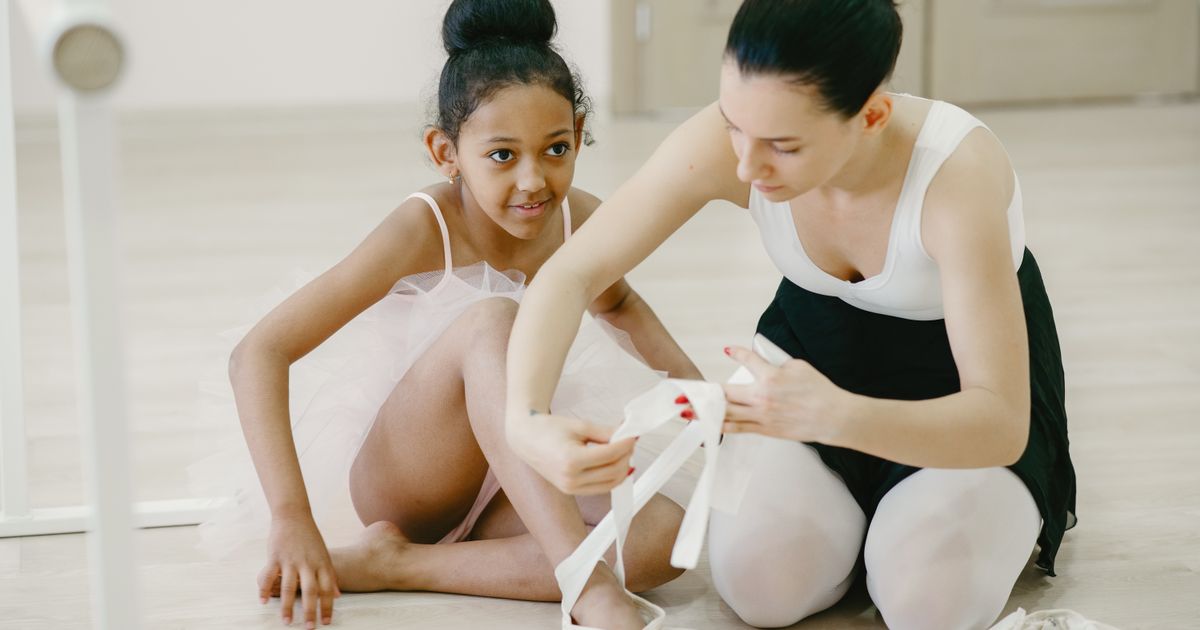
- help one child who's lost the step, while the teacher keeps the class going;
- keep a line moving at a gymnastics station, hold pads in martial arts, demonstrate a move;
- walk a child to the washroom door and wait outside.
They don't:
- teach the class alone, even for five minutes while the teacher takes a call;
- discipline a child, beyond a calm "let's listen to the teacher";
- give first aid beyond fetching the teacher and the kit;
- talk to parents about a child's progress or behaviour (they send them to the teacher, kindly);
- take photos of the children, or message them or their families from a personal phone;
- spend time alone with a child: in a room, in a change room, or waiting for a late pickup.
Swim is different. There are recognized assistant-instructor courses in both Canada and the US, and a teen in the water with your swimmers should hold one. A teen without it can still help from the deck: fetching equipment, demonstrating, keeping the line at the wall.
Choosing and training them
Open it to everyone who qualifies, with a short application, so it doesn't look like favouritism. A floor helps: thirteen or fourteen and up, a certain level in their own training, and a teacher who'll vouch for them. Meet with the teen and a parent together, so everyone hears the same expectations.
Ask for a real commitment: one class a week, the same class every week, for the whole term. Small children attach to a familiar face, and a rotating cast of helpers undoes that.
Train them before the first class. Two hours on a weekend covers it:
- How a class runs, start to finish, and the assistant's place in it.
- Safety: never alone with a child, where the first aid kit and exits are, the allergy and medical list and who sees it, what to do if a child is hurt.
- Talking to small children: kneel to their level, use their name, give one instruction at a time.
- The crying child, the child who won't join, the child who runs. What to do, and when to call the teacher.
- Privacy: what they see and hear in class stays in class.
Then a shadow week, where they only watch, and a check-in with the teacher around week four. Put it all on one page they can keep.
One rule for you: an assistant doesn't change the ratio. If the class is capped at ten for one teacher, it's still ten with an assistant. Adding four children "because there's help" turns a learning program into unpaid labour.
What they get
This is where most studios go wrong. A teen giving up their Saturday morning should get something real for it.
- Pay, once it's a real job. If an assistant is doing work you'd otherwise pay someone for, labour rules where you are may treat them as an employee, owed at least minimum wage. Unpaid work for a business that charges for its classes is restricted in both Canada and the US, and the rules vary by province and state. Check with your employment standards office before you set it up. Many studios simply pay assistants a junior hourly rate, which settles the question and makes the role feel like the first job it is.
- A discount on their own classes, where your rules allow it. Ask your accountant how to treat it.
- A reference letter at the end of the year, written by the teacher, specific: "Led the warm-up for a class of eight five-year-olds every Saturday from September to June."
- Training they can list: sponsor them on a first aid and CPR course. It's useful in your studio and on every job application after.
- Volunteer hours for school, where those count. Some provinces and states ask high school students for community hours to graduate, and each has rules about what qualifies. Helping at a business that charges for classes may not. Check with the student's school before you promise anything.
- A path. Assistant at 14, junior teacher at 16, teacher at 18. The best teachers you'll ever hire are the ones you trained.
What to tell parents
Parents of the younger children should never be surprised by a teenager in the room. Send a short note at the start of term:
Subject: Meet [Name], who's helping in [class] this term
This term, [Name] will be helping in [class] every [day]. [Name] has trained with us for six years and completed our assistant program. They'll help set up, lead the warm-up, and give a hand to anyone who needs one.
[Teacher] is still teaching the class and is responsible for every child in it. Please bring any questions about your child's progress to [Teacher].
And tell the assistant's own parents what's expected: the schedule, the commitment, how they'll get there and home, and who to call if they're sick.
Keep it a program
The difference between a program and free help shows over time. A program has an application, a training day, a written role, a check-in, a year-end letter and a next step. Free help has none of those, and it quietly burns out the students you most want to keep. Teens who are given a real role are also the ones who stay enrolled through the busy high school years.
In Caletan, an assistant can have their own sign-in, with a role you make from Teacher that shows only what they need. The roles guide shows how.