Swim progress notes parents read, written at the pool's edge
End-of-session notes that take an instructor five minutes a class: what to write, three examples to copy, and what never to put in writing.
Jun 2, 2026 · 5 min read
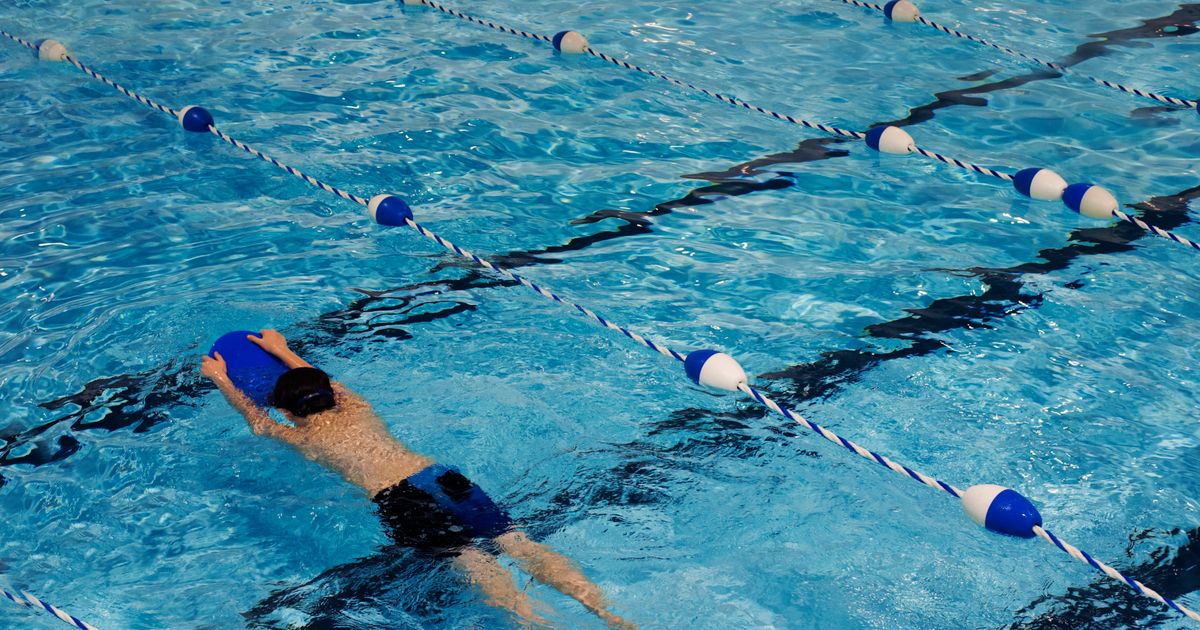
It's the last Saturday of the spring session. One instructor has eight classes of six swimmers, which is 48 progress notes. By the fourth class, every note says "Great job! Keep practising!" The parents read it, smile, and then find out in September that their child is repeating Level 3, with no idea why.
A good progress note isn't long. It answers the three things every parent wants to know: can my child move up, what can they do now, and what happens next? Three sentences do it, and an instructor who knows their swimmers can write six of them in five minutes, if the work is set up right.
Do the assessing in the water, not at the kitchen table
Notes take forever when the instructor is trying to remember, at home, which of six children in matching caps did a full width of back float. So don't make them remember.
- Assess in the last two lessons, as part of the lesson. Each swimmer tries the level's skills, and the instructor marks each as done, nearly there, or not yet, on the deck, right then.
- Write the notes before the swimmers leave the last class, or in the ten minutes after. The checklist does half the work: it already says what they can do. The note adds what a checklist can't.
- A supervisor reads every "staying" and "needs help" note before it goes out. Those are the ones that start difficult conversations, and a second pair of eyes catches the sentence that would hurt.
- Send them within a week of the last class, while summer and fall registration is open. A note that says "Level 5 next" should come with a way to register for Level 5.
The three-sentence note
Every note follows the same shape:
- One specific thing they did well. A skill, a distance, a moment. "Swam a full width of front crawl" beats "great swimmer".
- The one thing between them and the next step. Just one. Parents can't help with five.
- What happens next. The level for the next session, and one thing to try at the pool or the lake this summer.
That shape works whether a swimmer is flying or stuck. Here are the three notes instructors write most, ready to copy and change.
Moving up
[Name] swam 15 metres of front crawl with side breathing this session, which is the big skill in Level 4. Their kick is strong and steady now, even at the end of the length. Next session is Level 5, where we start treading water and backstroke. This summer, let them practise breathing to both sides whenever they swim.
Staying another session
[Name] can now float on their back for ten seconds on their own, and their front glide is twice as long as it was in April. The last skill in Level 3 is a front glide with their face in the water, and they're almost there. We'd like them to take Level 3 once more to finish it with confidence. Lots of swimmers spend more than one session at this level, and they move up stronger for it.
Needs more help
[Name] is still nervous about getting their face wet, and in a group of six, it's hard to give them the time they need. They did sit on the edge and kick for the whole warm-up last week, which they wouldn't do in April. A few private lessons this summer could build their comfort, then Level 1 again in the fall. I'd be glad to talk it through: find me on the deck any Saturday.
Notice what each one does. It names something real. It frames "staying" as finishing, not failing. It gives the parent something to do. And the hard one ends with an invitation to talk, because that note should never be the end of the conversation.
Words that help, and words that don't
Instructors write fast, so give them the vocabulary:
| Write | Instead of |
|---|---|
| Not yet | Can't |
| Another session in Level 3 | Repeating, failed |
| Working on | Struggles with |
| Comfortable in deep water | Brave |
| Listening at the wall is a work in progress | Doesn't listen |
The last one matters. A child who won't stay at the wall is a safety problem in the water, and parents need to know. But "doesn't listen" in writing feels like a verdict. Describe the behaviour, and say it's being worked on.
What never goes in writing
Some things belong in a conversation, and some don't belong anywhere:
- Comparisons with other children. "Behind the rest of the class" will be read aloud to a grandparent, and it'll sting for years.
- Labels and guesses. No "lazy", "hyper", "anxious", and never a guess at a diagnosis. An instructor isn't qualified to make one, and a parent may already know far more than you.
- Anything about a child's body. Weight, shape, build. Not even meant kindly.
- Family matters. Who drops off late, who seemed upset, what a parent said on the deck.
- Promises. "Will definitely pass next session" is a promise the next instructor has to keep.
- Safety concerns. If an instructor saw something worrying, such as trouble breathing, a near-miss, or anything about a child's wellbeing, it goes to the supervisor the same day, and a supervisor phones the parent. A progress note is the wrong place, and it's far too late.
Treat every note as if it'll be screenshotted and shared in the parents' group chat, because one of them will be.
Make it easy to come back
A note is the best re-enrollment message you'll ever send, because it's about their child. End the batch with a short line from the office: "Fall registration opens to current families first on [date]. Your swimmer's next level is in their note." Then make sure that level has room at the times families ask for.
If parents can watch a class mid-session, as in a watch week, the note at the end lands even better: they've already seen the progress it describes.
Where Caletan fits
In Caletan, instructors tick off each swimmer's skills on their phone at the pool's edge, and families follow the progress from home: what's done, what they're working on, and the next level's skills. A comment on a swimmer's progress is either shared with the family or kept for staff, chosen each time, so nothing reaches a parent by accident. More for swim schools.