Filling slow weekdays at a salon
Weekends fill first and weekdays sit empty. How to find the clients who could come any day, price the week so they want to, and keep Saturday for those who can't.
Oct 26, 2026 · 4 min read
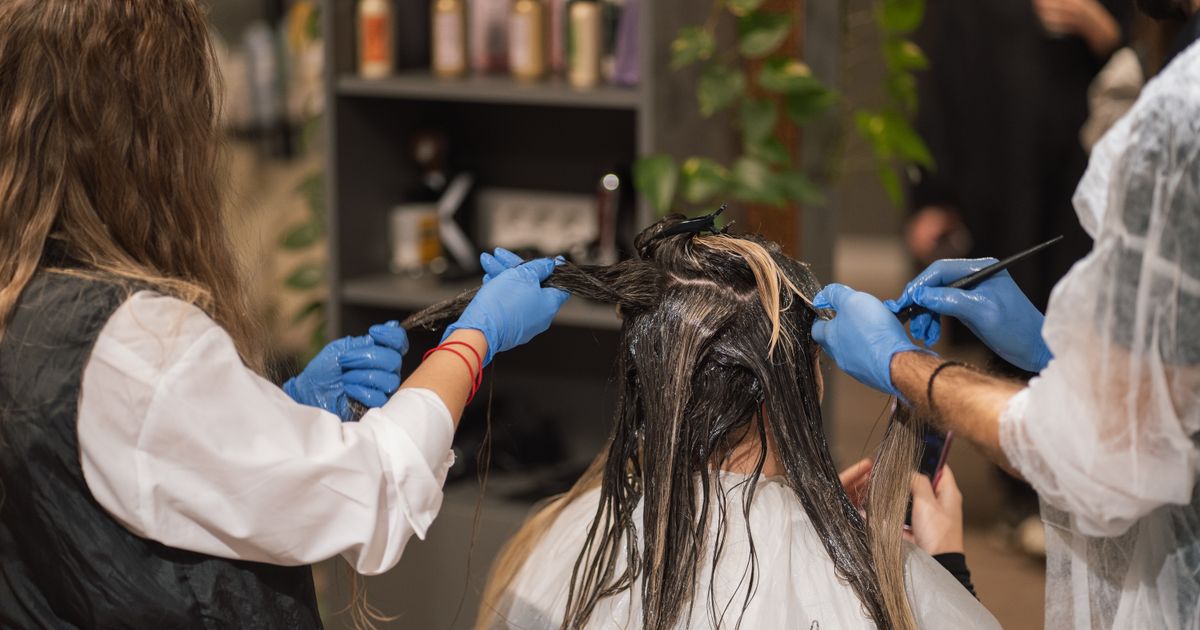
It's Tuesday morning. Saturday is booked solid, every stylist, every chair, from 9 to 5. Wednesday at 11 has four empty chairs and a stylist folding towels. The phone rings, and it's someone asking for Saturday.
Every salon, spa and nail studio has this week. The usual answer is to squeeze harder: start Saturday earlier, skip lunch, book a cut into a colour's processing time that was really too short for it. That burns out the team and does nothing for Wednesday. The better answer is to move the clients who don't actually need Saturday, and make the weekdays worth choosing.
Find out who really needs Saturday
Pull last month's Saturday book and go down it with your team. For each client, ask one question: could they come on a weekday?
Some can't: they work Monday to Friday, or they bring children who are in school. But many Saturday clients are there out of habit. Retirees. Shift workers. Students with a free Wednesday afternoon. People who work from home. Parents who could come at 10 on a Tuesday while the kids are at school, and book Saturday only because that's when they think of it.
Say your salon has 40 Saturday appointments and the team marks 12 of them as "could come on a weekday". Those 12 are the whole project. You don't need to change everyone's habits, only theirs.
Price the week, not just the weekend
A discount on weekdays teaches people that your normal price is negotiable. A small premium on the busiest hours, or a weekday-only service, does the same work without that problem.
Two ways to do it:
- A Saturday premium. Saturday services cost $10 more, said plainly: "Saturdays are our busiest day, and weekend prices reflect that." Clients who need Saturday pay it without a fuss. Those who don't have a reason to try Wednesday.
- A weekday service of its own. A "Midweek blow-dry" at $45 instead of $55, offered Monday to Thursday only. It's not a discount on Saturday; it's a different thing that only exists midweek.
Do the sum before you decide it's too expensive. Say eight of your twelve movable Saturday clients switch to a weekday and pay $10 less each. You've given up $80. But you've freed eight Saturday slots, which fill with clients paying full price, often new ones, at $65 each: $520 in the book that wasn't there before, and a Wednesday that's no longer empty.
Regulars book ahead, and keep their time
The clients who take Saturday's best times are often the ones who book first, not the ones who most need them. Change that by making booking ahead the normal thing for regulars:
- Rebook at checkout. "Same time in six weeks?" asked while they're paying fills the book weeks out, and lets you suggest the weekday: "Saturdays are going fast into December. Would Thursday at 10 work as well?"
- Standing appointments. A regular who comes every four weeks can have the same Tuesday at 2 for the next six months, booked in one go. They never think about it again, and that Tuesday is never empty.
- Hold back a few Saturday spots for new clients and the regulars who truly can't come midweek, rather than letting the flexible regulars take them all three months ahead.
Add the hours people actually want
If your weekdays end at 5, everyone with a 9-to-5 job has only Saturday. One or two late evenings change that.
Try Thursday until 8, for eight weeks, with the stylists who'd rather start late anyway. Some people prefer it: a 12 to 8 shift suits someone with school drop-off. Tell your Saturday regulars first: "We're open until 8 on Thursdays now. If an evening is easier than a Saturday, it's all yours." Count after eight weeks. If Thursday evening is half-full, keep it. If it's empty, you've lost little and learned something.
Ask the flexible clients directly
The most effective move is also the simplest: ask. When a flexible client books Saturday, or calls to, the desk offers a weekday, warmly:
"Saturday's nearly full, and I could squeeze you in at 4:30, but if weekdays work for you at all, Wednesday mornings are lovely and quiet, and you'd have [stylist] with no rush. Want me to put you in for Wednesday at 10?"
And to a regular who you know is flexible, a short message:
Hi [first name], Saturdays have been booking up three weeks ahead. If a weekday ever suits you, Tuesday and Wednesday mornings are wide open, and I'd be happy to keep a regular spot for you. Just reply and I'll set it up.
Most people say yes once they know Saturday is hard to get and Wednesday isn't.
Protect Saturday for Saturday work
Once Saturday isn't overflowing, keep it for what needs it:
- No five-hour colour corrections at peak, unless the stylist does nothing else that day. Long, open-ended services go to the quieter weekday mornings.
- A Saturday cancellation window, 48 hours rather than 24, so a late cancellation can still be filled.
- A waiting list for Saturday, kept in one place. A Saturday cancellation on Thursday is a slot someone on that list will take within the hour.
The holiday rush is weeks away. A salon that has moved its flexible clients to weekdays by November has room on its December Saturdays for the people who can only come then.
Where Caletan fits
In Caletan, a weekday service of its own is just a service with its own price, offered online only on the days you choose. Repeat visits book the same time every few weeks in one go, and when Saturday's full, clients can join a waitlist for the hours that suit them. There's more on Caletan's hair salon booking software, and services and staff shows the online options.