Summer intensives for students who want more
A week or two of serious training for your most committed students: who it's for, a day's schedule, pricing it against a camp week, guest teachers, and when to open.
Mar 10, 2026 · 5 min read
Every summer, a few of your most committed students spend a week at somebody else's intensive. They come back in September with a new teacher's name on their lips and a few habits you'll spend October undoing. They wanted more than a weekly class, and you didn't have it.
An intensive is that "more": one or two weeks of real training for students who've asked for it. It's not a camp. A camp is fun, friends and a full day of care for working parents. An intensive is a smaller group, longer classes, your best teachers, and maybe a guest. It fills a studio in July, when weekly classes have stopped, and it's the program your strongest students will remember.
March is when to plan it. Families book their summers in spring, and guest teachers book theirs even earlier.
Who it's for
Decide this first, because it shapes everything else. An intensive for everyone is just an expensive camp.
- Set a floor. A minimum level, age or years of training: "Ballet 3 and up", "Level 4 gymnasts and pre-team", "two years of lessons and Grade 3 piano". For theatre, it might be "has been in at least one show".
- Or ask the teacher. "By invitation or teacher recommendation" makes it feel earned, and it is.
- Keep the group small. Twelve to sixteen in a dance or theatre room, fewer in gymnastics if the equipment is the limit, and in music, whatever makes a good ensemble with the parts you have.
Younger keen students (seven to nine) can have a half-day version: same idea, mornings only.
A day's schedule
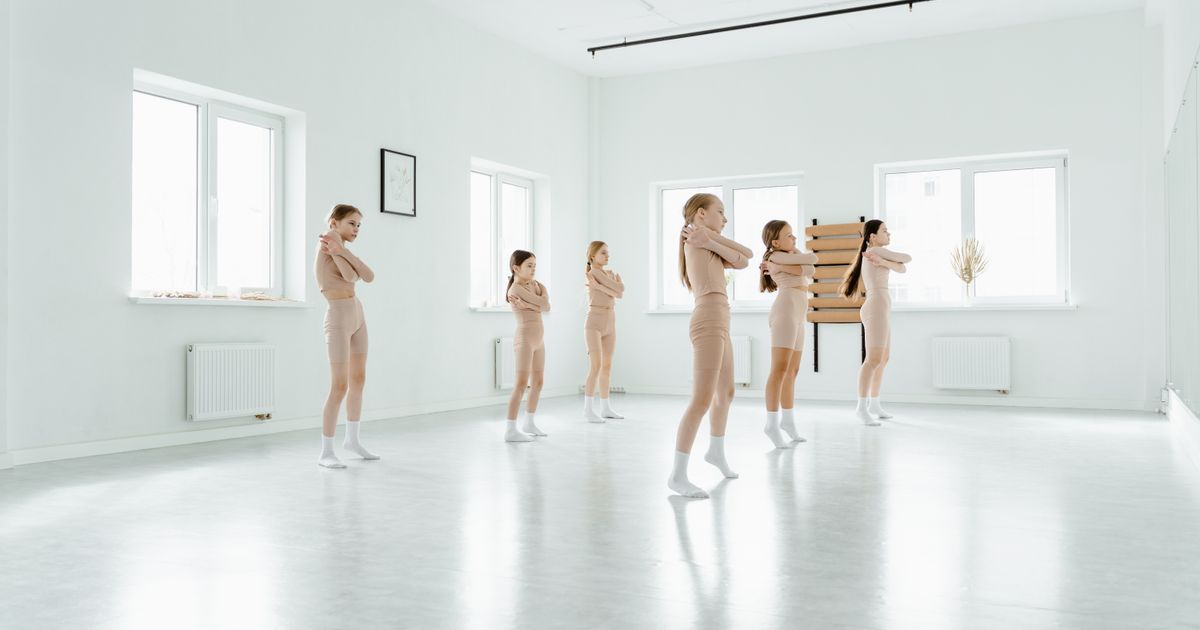
Here's a dance intensive day, 9:00 to 3:30, for ages 11 and up:
- 9:00 Ballet technique (90 minutes)
- 10:30 Break
- 10:45 Pointe or conditioning
- 11:30 Repertoire: learning a piece for the end-of-week showing
- 12:30 Lunch
- 1:15 Contemporary or jazz, with the guest teacher
- 2:30 Stretch, injury prevention, or a talk (auditions, nutrition, how to practise at home)
- 3:30 Pick-up
The pattern works for others too. Gymnastics: two training blocks with conditioning between them, and a shorter day than you'd think, because tired bodies get hurt. Music: sectionals in the morning, theory and listening after lunch, full rehearsal at the end. Theatre: voice and movement first, scene work after, a run-through to close.
End with a showing. The last Friday at 2:30, families come to watch what was learned. It's the photo they post, the thing the students tell their friends about, and the reason next year's intensive sells.
Pricing it against a camp week
Families will compare it to your camp, so do the comparison yourself, honestly.
Say your day camp is $300 a week, 9:00 to 4:00, with one counsellor for every eight or ten campers. The intensive has fewer students per teacher, and the teachers are your senior staff. It costs more to run, so it costs more to join.
A worked example, a one-week dance intensive for 16 students:
| Cost | Amount |
|---|---|
| Your teachers, 25 hours at $45 | $1,125 |
| Guest teacher, two days | $1,200 |
| Guest's travel and hotel | $600 |
| Total | $2,925 |
At $395 a student, 16 students bring in $6,320. Even at ten students, it's $3,950 and still pays for itself. Work out your own minimum before you open, and decide by a set date (June 1, say) whether it runs.
Here's the sentence that sells it to parents: the intensive is about 27 hours of class for $395, under $14.50 an hour. A weekly one-hour class at $180 for a 12-week term is $15 an hour. It's more money at once, and less money per hour of teaching than the year's classes. That's true, it's easy to say at the desk, and it stops the "why is it more than camp?" question cold.
For two weeks, take a little off the second: $395 for one, $750 for both. Most of the students who want an intensive want both.
Guest teachers
A guest is what makes an intensive feel special, but only if the guest is right for your students.
- Book them early. Good guests fill their summers by February. If you're reading this in March, ask this week.
- Agree on everything in writing: dates, hours, what they'll teach and to which ages, the fee, travel and where they'll stay, and whether you may film or photograph their class.
- Announce them only when it's confirmed. Selling an intensive on a name that then cancels is a hard email to write.
- Crossing the border to teach? Check what a guest needs to work in your country before you pay for a flight. The rules differ between Canada and the US, and they apply to a one-week job too.
A guest isn't required. A week with your own senior teachers, at a level your students don't reach in a weekly class, is plenty.
Opening registration in spring
A timeline that works for a July intensive:
- February: dates fixed, guest booked, minimum number set.
- Early March: tell current students and their families first. A teacher's word in class ("I think you'd love the intensive") is worth more than any email.
- Mid-March: registration opens to your own students.
- April: it opens to students from elsewhere, if you want them.
- June 1: decide whether it runs. If it doesn't, refund in full, straight away.
Let families pay in a few instalments if you're selling in March for July: $395 becomes three payments of about $132, and the last one lands well before the week starts.
Where Caletan fits
In Caletan, an intensive can be a camp, with options such as the full day or mornings only, each with its own hours and price, and its teachers held every day of it. Or it can be a class priced as a full course, paid in full or in monthly payments. The camps guide walks through the first, and for dance studios shows the rest.