General admission without the stampede for seats
When the doors open and 300 people race for the front rows: opening on time, rows you hold back, a rule for saving seats, ushers, and accessible seating.
Nov 15, 2026 · 5 min read

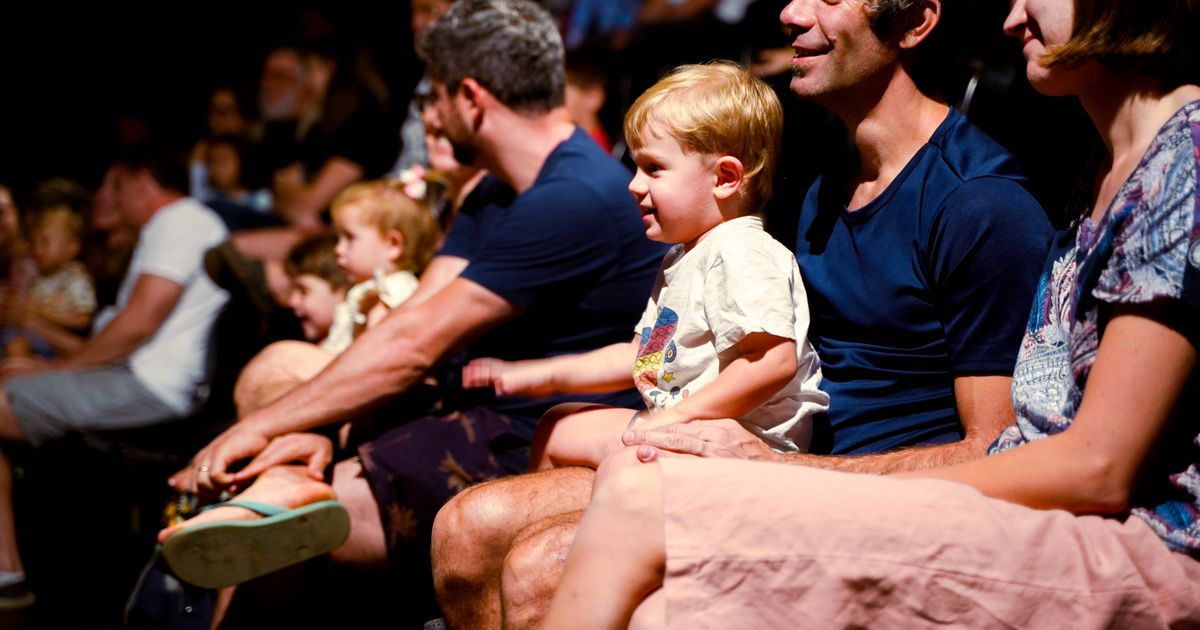
Doors at 6:30 for a 7:00 show. By 6:05 the line is out the lobby and down the steps. At 6:30 the doors open, and a parent with an armful of coats sprints to the third row and drapes them over twelve seats, while a grandparent with a cane is still making their way down the aisle. Five minutes later, a family of four can't find two seats together, and someone's arguing with a teenage usher about whether a scarf counts.
General admission is simpler to sell than reserved seats. It doesn't have to be a free-for-all in the house. Most of the chaos comes from people not knowing the rules, so the fix is mostly telling them.
Why the rush happens
It's not bad manners. Every parent wants a clear view of their own child, the front rows look scarce, and nobody knows whether "general admission" means saving is allowed. When people don't know the rules, they assume the worst and run.
Every one of the steps below takes away a reason to run.
Say how it works before they arrive
The confirmation email and the reminder the day before should both say it, in three lines:
Seating is general admission. Doors open at 6:15, 45 minutes before the show. You can save seats for people in your party who are already in the building, not for those still on their way. Need an accessible seat, or a seat on the aisle? Reply to this email and we'll hold one for you.
That last line is the most important one. It moves the people who most need help out of the rush entirely.
Open early, and on time
Forty-five minutes before the show for a house of 250 or more; thirty for a smaller one. People arrive early when they think seats are scarce, and a door that opens late turns a queue into a crowd.
Have someone at the line from half an hour before doors open. They answer "is this the line for the 7:00?", point people to the washrooms, and keep the entrance clear.
No early entry "just to drop off coats". Every exception is seen, and the next twenty people ask for the same.
Except for those who need it. Let people with mobility needs, and parents with strollers, come in five minutes early with an usher. Nobody begrudges it, and it's safer for everyone.
Rows you hold back
General admission doesn't mean every seat is up for grabs. Before doors open, hold a few, mark them with signs and tape, and put an usher beside them:
- Accessible seating: wheelchair spaces with a companion seat beside each, and aisle seats near the front for people who can't manage steps. Check the venue's seating plan and local rules for how many and where.
- The video row, if you have a videographer: usually behind the sound desk or the centre aisle.
- Backstage volunteers: a few seats on an aisle near the back, so they can slip in and out.
- A tradition row, if you have one: the families of graduating seniors at a spring recital, for instance.
Keep it to what's genuinely needed. Every held row is a row the rest of the audience can see is closed, and too many make the rush worse.
A rule for saving seats
Pick one rule, say it everywhere, and let the ushers enforce it with a smile. The rule that works best:
Save seats for people who are in the building. Someone parking the car, or in the washroom line, is fine. Someone "coming after work, should be here by intermission" is not.
Put it on a sign at the door and on the seats themselves if you need to. Give ushers words that don't start an argument:
We're only able to hold seats for people who are here already. Could we free up these three for the family behind you? If your sister arrives, we'll find her a seat.
If someone pushes back, the usher doesn't argue. They call the house manager, who says the same thing more firmly.
Ushers, and what they do
One usher for every 75 to 100 seats, plus a house manager who isn't also running the show. Older students, alumni and parents of dancers in the second half all make good ushers.
Brief them for ten minutes before doors open:
- Guide people to empty seats. "There are two together in row K, on the left."
- Keep the aisles clear. Strollers, bags and camera tripods go somewhere else. This is a fire-code matter, not a preference.
- Watch the held rows and seat people in them as planned.
- Fill the gaps. Ten minutes before the show, count the empty singles and announce them: "If you're looking for a seat, there are single seats in rows D and H, and two together in row M."
- Ask people to move in. "Please slide toward the middle of your row, so the last few can sit down." People are happy to move when they're asked kindly and given a reason.
Give them a small flashlight each, and tell them where the first-aid kit is.
Never sell more seats than you have
The worst stampede is the one where there really aren't enough seats. If the hall has 320 seats but 12 are behind a pillar, 8 are taken by the video platform and 6 are held for wheelchairs, your capacity isn't 320. It's the seats people can actually sit in, minus the ones you're holding. Sell to that number, count your comps against it (more in giving comps), and the house will be full without anyone standing at the back.
In Caletan
In Caletan, performances are general admission, each with its own capacity: tickets stop selling when it's reached, comps included, and the door scans each ticket once on any phone, so you know how many are in. See the door on a phone, or Caletan's event ticketing software for the rest.