Regular renters: pay up front, or a monthly bill?
The club that rents every week wants to pay later. The risk you take, why monthly in advance with a deposit is the middle way, and a policy to copy.
Oct 29, 2026 · 5 min read
The volleyball club's treasurer writes in September: they'd like the gym every Thursday from 8 to 10 PM until the end of April, and could they pay at the end of the season, once members have paid their fees?
Thirty Thursdays, two hours each, at $50 an hour, is $3,000. Saying yes means lending a club $3,000 for eight months, interest-free, while you turn away anyone else who asks for Thursday nights.
Most clubs pay. But clubs are run by volunteers, treasurers move away, and a club that loses half its members in January doesn't have a plan for paying its gym bill in April. When it goes wrong, you're chasing a committee.
Three ways regular renters can pay
All up front. The season is paid before the first night. It's the safest by far, and fine for a short series or a well-funded group. It's hard for a club that collects its own fees through the year, and asking for $3,000 in September can lose you the booking.
After the fact. A bill at the end of each month, or the end of the season. Easy to say yes to, and the one that goes wrong. You've already given the time; all you can do is ask. Don't.
Monthly, in advance. Each month is paid before it starts. The club pays as its own money comes in, and you're never owed more than a month. For most regular renters, this is the middle way.
Monthly in advance, worked through
Two ways to work out the monthly amount:
- By the nights in the month. A month with five Thursdays is $500; one with four is $400. Exact, and easy to adjust when you close for a holiday. It does mean a different amount each month.
- The season divided evenly. $3,000 over eight months is $375 a month, September to April. Easier for a treasurer to budget. If you close for a night, take it off the last month.
Either works. What matters is the date: bill around the 20th, due on the 1st, so a month is paid before its first night.
Add a deposit of one month
A monthly plan still leaves you exposed to the month that doesn't get paid, and to the club that stops showing up in February and doesn't tell you. A deposit closes that gap.
Ask for one month's rent, $400 here, when the agreement is signed. Hold it all season and put it towards the last month, so a club that pays every month never pays more than the season's price. A club that stops paying has a month already with you, and that's about how long it takes to fill a Thursday night with someone else.
For a new club, or one that's been late before, you can ask for more. For one that's rented from you for ten years and paid every month, you might ask for none. Write down why, so the next club asking for the same terms gets a straight answer.
How they pay
- A card on file, charged on the 1st. The least work for everyone, and nobody forgets. Some treasurers can't do it, because the card is someone's own.
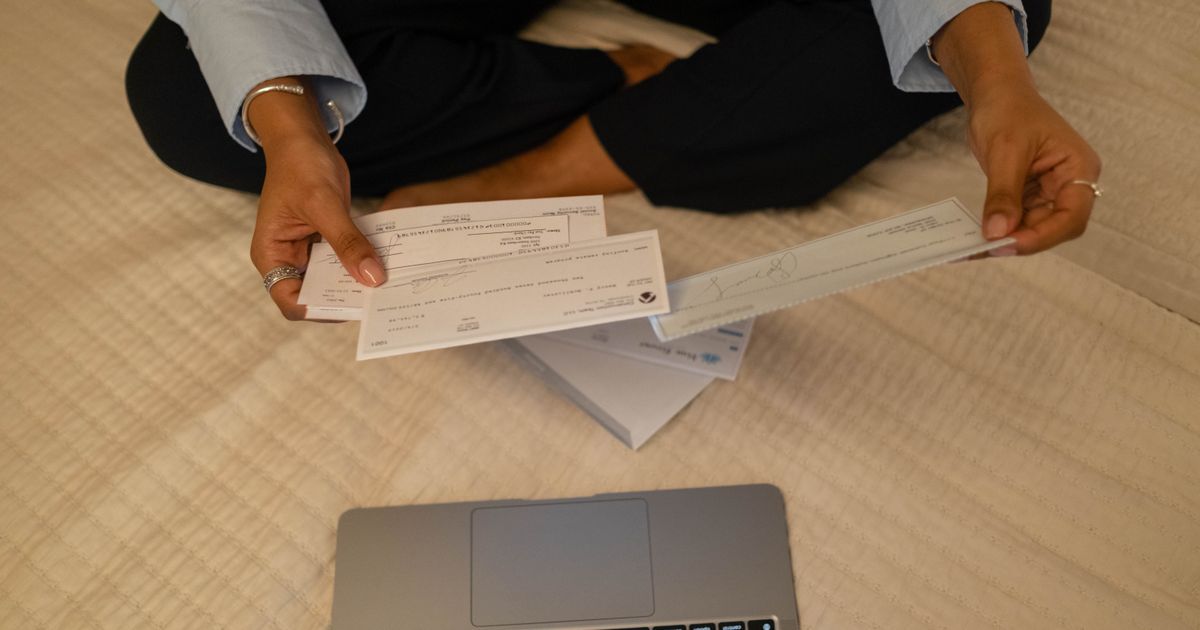
- Post-dated cheques, all of them in September. Still common with clubs in Canada. Collect the season's cheques at once, not each month, and note each one's date.
- E-transfer or bank transfer. Fine, as long as the due date is clear and someone checks it's in.
Whichever they use, the bill goes to the club's email, not the treasurer's personal one, so it doesn't get lost when the treasurer changes in January.
When a payment is missed
Write this down before it happens, and put it in the agreement. A policy decided in the moment always feels personal; one written in September is just the rule.
Paying for your season
Your season is billed monthly, in advance: each month's rent is due on the 1st. When you sign, we ask for one month's rent as a deposit, which pays for your last month.
If a payment is late:
- On the 1st, we'll send a reminder.
- On the 8th, we'll call [contact] and send a second reminder.
- On the 15th, your booking is paused: the room isn't yours until the month is paid, and we may offer those nights to others.
- On the 30th, your season ends. We keep your deposit towards what's owed.
Nights off. Tell us 30 days ahead and we won't bill that night. Less notice, and it's billed as usual. If we close the building, you're never billed for that night.
Next season. You have first refusal on your nights until June 1. After that, we offer them to others.
The middle step, pausing, is the one that works. Most late payments are a treasurer who's busy, not a club that can't pay, and "you can't play on the 18th until October is paid" gets an e-transfer within the hour.
Who's responsible
Put the club's name on the agreement, with one named person who's responsible for it. Whether that person is personally on the hook if the club can't pay depends on whether the club is incorporated, and on the rules where you are, so ask your lawyer if the amounts are large. In practice, a named person who signed something means you have someone to call.
The same goes for the rest of the agreement: the clauses in a room rental agreement apply to a season as much as to one night.
Where Caletan fits
In Caletan, a rental booked online is paid in full when it's booked. One you book at the desk can go on the renter's bill instead, to pay online or at your desk later, and Billing shows what's still unpaid, where you charge their saved card, mark a cheque or e-transfer paid, or send a reminder. See cards and deposits, or Caletan's community centre booking software.